Blog

Timber Processing
Technical and Product

Timber Processing

The Pain Point: Unplanned Downtime from Chain Failure Under Shock Loading

One of the biggest and most costly problems in timber processing is unexpected chain failure caused by shock loading. Sawmill or debarking operation deals with heavy, irregular logs dropping onto conveyors, jamming in chippers, and lurching through edgers and trimmers.

Every time a log hits the chain system unevenly, it sends a violent shock load through the entire drive - and if the chain isn't built to handle it, the result is a broken or stretched chain, a production line that grinds to a halt, and potentially hours of costly unplanned downtime while maintenance crews carry out repairs. A single chain failure across a sawline conveyor, log deck, or debarker infeed can have a significant ripple effect on the entire mill's output for the day.

The Renold Solution: Ultra Welded Steel Timber Chain

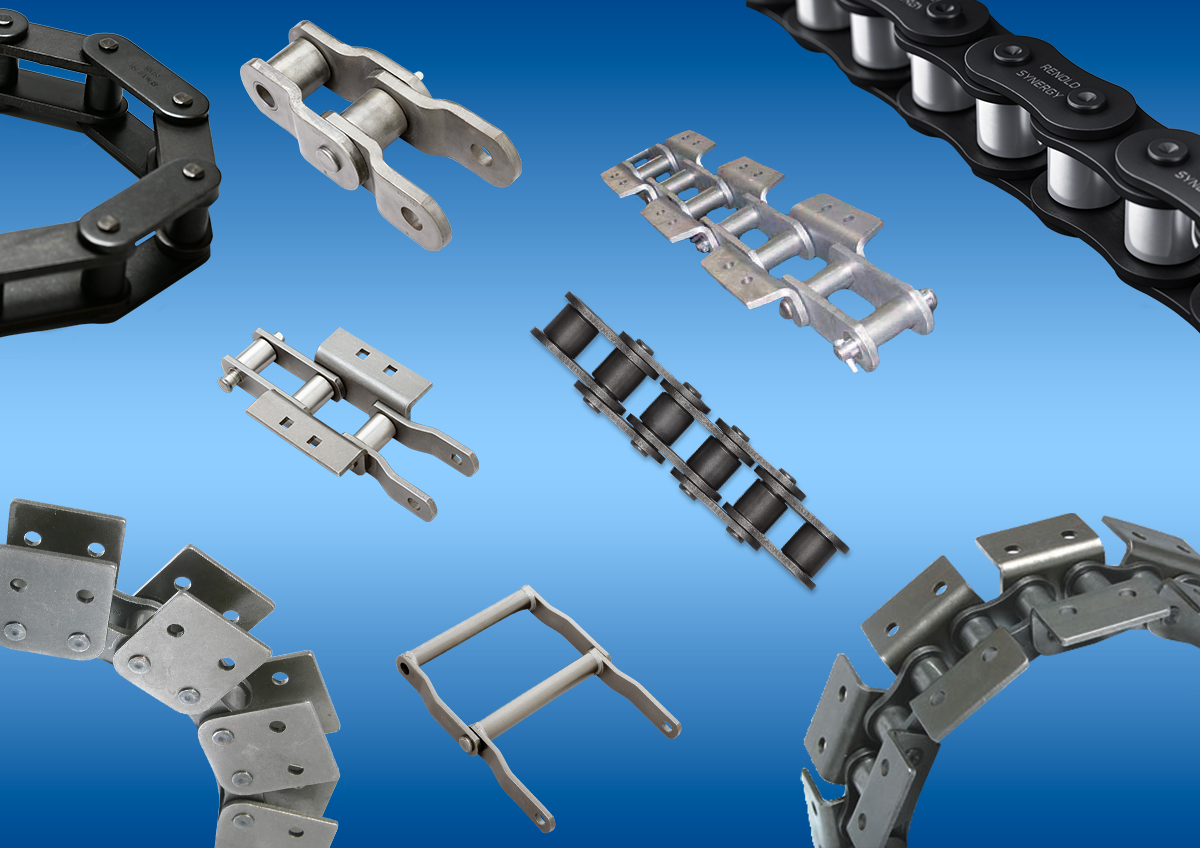
This is precisely the scenario the Renold Ultra chain is engineered to address. Ultra welded steel chains provide ultimate link construction and high strength with advanced heat treatment and material selection, even under high impact loading conditions.

The key is in how the chain pins are treated. In addition to thru-hardening and a ground finish, selected WH series chain pins are also induction hardened to provide an Ultra hard-wearing surface to provide additional wearability and chain life. This means that even as shock loads hammer the pin-to-bush interface - the most vulnerable point in any chain under impact - the surface remains hard and resistant to deformation, dramatically extending the time between replacements.

On top of that, light oil spray is applied to prevent potential corrosion when in shipping and storage. By request, chain can also come pre-lubricated via oil bath or hot grease dip to support initial bedding-in of pins, bushes, and rollers at start-up, while also extending shelf life and protecting the chain from the very first revolution.

The bottom line: by replacing a standard chain with the Ultra, timber processors get a chain that is purpose-built to absorb the punishment of their environment - translating directly into fewer breakdowns, less maintenance intervention, and more tonnes processed per shift.

Unplanned downtime is one of the most expensive realities in timber processing — and the culprit is often hiding in plain sight. Shock loading places immense stress on chain drive systems, and when a standard chain fails, the entire production line pays the price. In this blog, we explore how Renold's Ultra Welded Steel Timber Chain is built for sawmill and debarking demands, and why upgrading could be your smartest maintenance decision this year.
read more →
Maximise Performance with the Right Renold Chain
Company

Maximise Performance with the Right Renold Chain

Choosing the right chain is crucial for maximising machinery performance.

Renold chains are renowned for their durability and high performance in industrial settings.
This guide will help you navigate the process of purchasing Renold chains. We'll cover where to buy them and the warranty they offer. Understanding these aspects ensures you make an informed decision. Let's explore how to select the best Renold chain for your needs.

Why Choose Renold Chains?

Renold chains are an excellent choice for industrial applications due to their proven durability. They reliably perform under challenging conditions, minimising downtime and maintenance costs.

Key Benefits of Renold Chains:

- Durable construction for long-lasting performance.
- Variety of options including roller and conveyor chains.
- Trusted across industries due to their ability to meet high-quality Australian Manufacturing standards.

Careful design and precise engineering ensure that Renold chains meet strict performance criteria. This attention to quality makes them a preferred choice in sectors such as agriculture, food and beverage, mining, construction, timber, sugar, energy, cement, transportation and steel mills. However, Renold products can be utilised to achieve maximum benefit in any application where something needs to be lifted, rotated, conveyed or sorted. Investing in a Renold chain means investing in efficiency and reliability.

Understanding Renold Chain Warranty

Renold chains come with a warranty that primarily covers manufacturing defects. This warranty reflects their commitment to quality.
The warranty terms may differ based on the chain type and its application. Always review specific details with Renold when purchasing.

Renold Chain Selection Guide: How to Pick the Right Chain

Selecting the right Renold chain is critical for maximising your machinery's performance. Several factors can guide your decision process.

First, assess the load capacity requirements of your machinery. Chains need to handle both regular and peak loads.

Next, consider the environmental conditions the chain will face. Humid, dusty, or extreme conditions may require specialised chains.

Key Factors in Chain Selection:

- Product type
- Load capacity
- Environmental conditions
- Chain speed

Finally, consult Renold’s comprehensive chain selection guide for valuable insights on matching chains to specific applications. This guide offers valuable insights and helps to match chains to specific applications. For tailored advice, a Renold representative can provide personalised recommendations to suit your needs.

Tips for Maximising Chain Performance and Warranty Coverage

To extend the life of your Renold chain, regular maintenance is essential. Simple steps can prevent issues and keep your chain in top condition.
Routine inspection and lubrication are the most effective practices. They help identify wear early and ensure smooth operation.

Maintenance Tips:

- Conduct routine inspections
- Apply lubrication regularly
- Use only genuine Renold parts

Following these tips not only optimises chain performance but also ensures warranty conditions remain intact. Investing time in maintenance protects your chain investment.

Choosing the right chain is crucial for maximising machinery performance. Renold chains are renowned for their durability and high performance in industrial settings.

read more →
What should I know when choosing a Planetary Gearbox?
Technical and Product,Company

What should I know when choosing a Planetary Gearbox?

1. Define your load and torque requirements first

The single most important factor. You need the actual output torque and output speed, including peak/shock loads, not just steady-state running torque. Renold's Australian planetary range spans a very wide capacity band - nominal output torques from 1,000 Nm up to 2.5 million Nm across its inline and bevel planetary lines, so the right frame size depends on getting real torque data from the application, not just motor kW.

2. Match the gearbox to the duty cycle, not just peak power

Continuous-duty industrial drives (conveyors, mixers, winches) and intermittent mobile-equipment applications load a planetary gearbox very differently. A unit sized only for average torque will fail prematurely under shock loading (starts/stops, jams, reversing loads), so service factors matter as much as the headline rating.

3. Choose the right configuration for the mounting

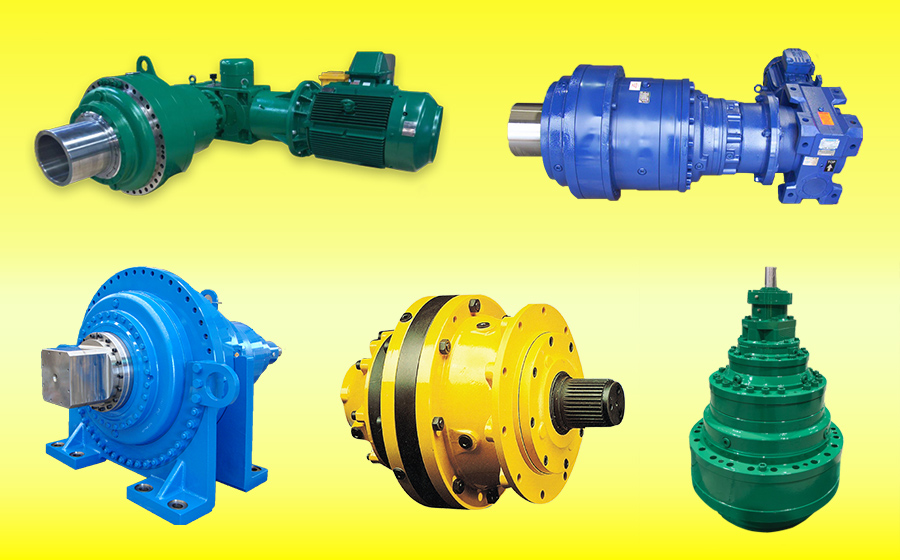
Renold's planetary range in Australia is offered as inline or bevel planetary gearboxes with flange, foot or torque arm mounting, so customers should be clear on how the unit needs to physically integrate - inline shaft drive, right-angle bevel arrangement, foot-mounted, or torque-arm restrained - before locking in a model.

4. Consider whether it's an industrial or mobile application

Renold Australia's planetary offering explicitly covers both industrial and mobile applications. Mobile equipment (excavators, tracked vehicles, self-propelled machinery) generally needs compact, high-torque/low-speed units - for example the hub drives with output torque ratings from 800 Nm to 900,000 Nm, engineered as compact purpose-built drives for hydraulic self-propelled and winch-drive applications. Fixed industrial installations have more flexibility on size/weight but often prioritise long service life and low maintenance.

5. Think about braking and holding requirements

If the application involves lifting, lowering, or holding a load against gravity (winches, hoists, inclined conveyors), you need to specify whether a static holding brake is required. Renold's winch drive range, for instance, is typically built as rotating case gearboxes complete with static negative disc brakes, with nominal output torque values from 5,000 Nm to 400,000 Nm. Alternatively, standard inline and/or right angle gearboxes could be used with built in brakes.

6. Don't overlook ratio, speed, and efficiency

Planetary stages are compact and efficient, but stacking multiple stages to hit very high ratios reduces overall efficiency and increases cost. It's worth discussing with Renold whether a single-stage, double-stage, or combined helical-planetary solution best balances ratio, speed, and efficiency for your specific input/output speed targets.

7. Environment and ingress protection

Ambient conditions (dust, washdown, marine/corrosive environments, temperature extremes) can affect sealing, housing material, and lubrication choice. This is especially relevant for mobile and outdoor mining/agriculture equipment that are common in the Australian market.

8. Standard vs custom solutions

Renold's broader gearbox business positions itself around offering a standard off-the-shelf solution or a custom-engineered gearbox designed by their engineering team to meet application-specific needs, plus a dedicated service team for refurbishment of gearboxes of any make or type. Customers should ask early whether their application needs a catalogue unit or bespoke engineering, and factor in local support/spares availability and lead times - not just the initial purchase price.

9. Total cost of ownership

Cheapest unit cost isn't the same as lowest lifecycle cost. Bearing life, service intervals, local parts availability, and manufacturer support (especially important in Australia given freight/lead-time realities for imported gearboxes) should all weigh into the decision.

To be sure you’ve covered the initial questions when selecting your gearbox, use the checklist in our next Blog post (or have your Renold Australia representative complete it with you) to make sure your application data is complete before a planetary gearbox is quoted or sized. Ticking every box below will speed up selection and reduce the risk of an undersized or mismatched unit. 

Once the checklist is complete, share it with Renold Australia to have your application sized against the appropriate planetary gearbox, hub drive, or winch drive range.


Renold Australia
508 Wellington Road, Mulgrave VIC 3170, Australia
1800 RENOLD (1800 736 653)
melsales@renold.com.au

Choosing the right planetary gearbox is a critical decision that directly impacts your machinery's performance and operational lifespan. This comprehensive guide outlines nine essential factors to consider when selecting a unit, from defining precise torque requirements and duty cycles to evaluating mounting configurations and environmental conditions. Learn how to balance standard and custom engineering solutions to optimize efficiency and minimize the total cost of ownership.

read more →
Planetary Gearbox Selection Guide & Buyer’s Checklist
Technical and Product,Company

Planetary Gearbox Selection Guide & Buyer’s Checklist

Use this checklist alongside your Renold Australia representative to make sure your application data is complete before a planetary gearbox is quoted or sized. Ticking every box below will speed up selection and reduce the risk of an undersized or mismatched unit.


1.  Load & Torque Requirements

  1. Actual output torque required (not just motor kW)
  2. Peak / shock torque, in addition to steady-state running torque
  3. Position of overhung and axial loads, if any, on the output shaft

Renold's Australian planetary range spans nominal output torques from 1,000 Nm to 2.5 million Nm.


2.  Duty Cycle & Service Factor

  1. Application type
  2. Continuous, intermittent, or reversing duty
  3. Starts/stops per hour and any jam or stall conditions
  4. Required service factor / safety margin for the application


3.  Mounting Configuration

  1. Inline or right-angle (bevel) planetary arrangement
  2. Flange, foot, or torque-arm mounting
  3. Available envelope (space, weight, orientation)


4.  Industrial vs Mobile Application

  1. Fixed industrial installation (conveyor, mixer, process drive), or
  2. Mobile / self-propelled equipment (excavator, tracked vehicle, winch)

Mobile applications often suit compact hub drives (approx. 7,000–90,000 Nm output torque).


5.  Braking & Holding Requirements

  1. Does the load need to be held statically (lifting, lowering, incline)?
  2. Is an integrated static holding brake required?

Renold winch drives are available with static negative disc brakes, 5,000–400,000 Nm.


6.  Ratio, Speed & Efficiency

  1. Required input and output speeds
  2. Target reduction ratio


7.  Operating Environment

  1. Ambient temperature range
  2. Elevation
  3. Dust, washdown, or corrosive / marine exposure


8.  Standard vs Custom Solution

  1. Can a standard catalogue unit meet the application, or is custom engineering needed?
  2. Local spares availability and expected lead time
  3. Access to gearbox refurbishment / service support if required


9.  Total Cost of Ownership

  1. Compare on lifecycle cost, not just purchase price
  2. Bearing life and expected service intervals
  3. Local technical support and warranty terms


Next step

Once this checklist is complete, share it with Renold Australia to have your application sized against the appropriate planetary gearbox, hub drive, or winch drive range.


Renold Australia

508 Wellington Road, Mulgrave VIC 3170, Australia

1800 RENOLD (1800 736 653) 

melsales@renold.com.au

This Planetary Gearbox Buyer's Checklist outlines the critical data required to accurately quote and size a planetary gearbox. It serves as a guide to prevent undersized or mismatched units and speed up the selection process.

read more →
Close
Close